



To start, let me be honest three years ago, I was skeptical that NetSuite Accounts Payable Automation That Transforms Finance 2026 could truly reduce invoice processing time by 80%. A peer claimed it did, and my team at the time was spending 18 hours per week manually entering data and chasing approval. As I smiled and said yes, es but I thought he was just like every other vendor making promises. My current team spends approximately 18 hours per week on manual data entry, searching for lost invoices, and exchanging emails with approvers. Are these issues common for you as well?
The environment today is dramatically different. We are beginning to see an expectation from financial leaders within our industry that by 2026, all or most of the mid-market finance departments will have almost touchless Accounts Payable processes. The key question then becomes, “What really works and what does not?” and how do I get there without the hype?
NetSuite Accounts Payable Automation That Transforms Finance 2026: The Real Cost of Manual AP
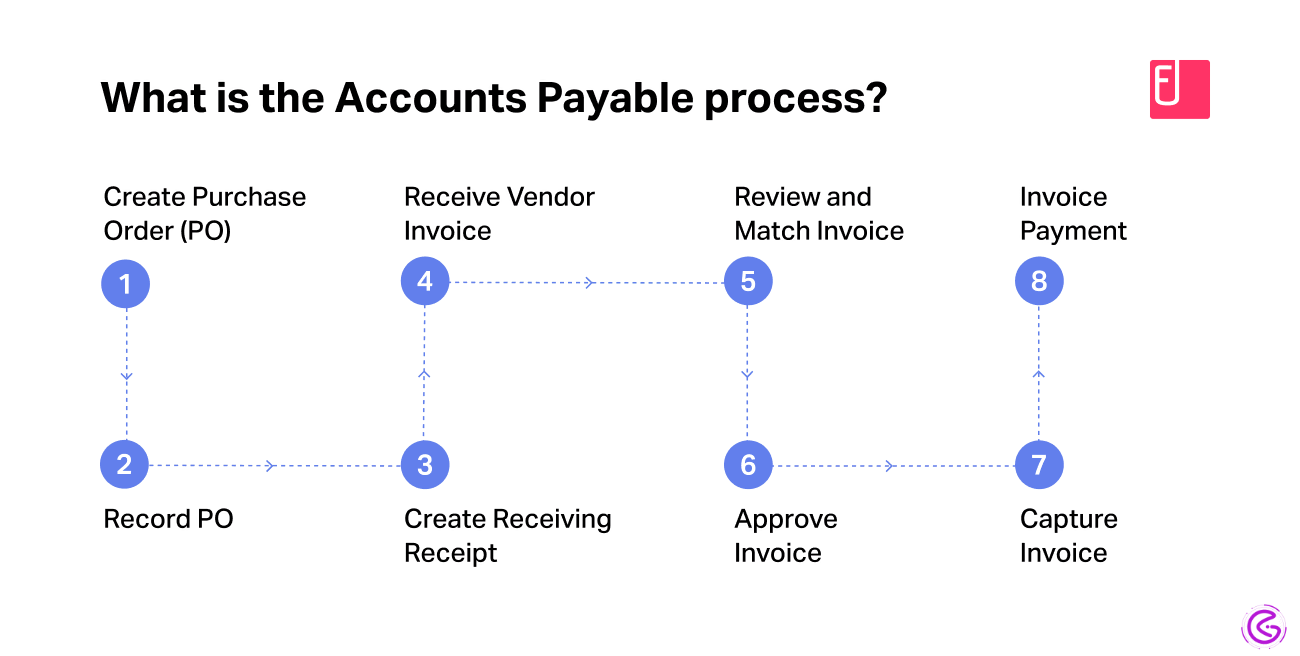
Best For: Developing your business case for financial solutions
Additional indirect expenses that aren’t reflected on your payroll or income statement.
What it is / What it does: Your manual Accounts Payable process can be very costly. In addition to being painfully slow, there are numerous other hidden costs, including duplicate payments, missed opportunities to take advantage of early payment discounts, and the intangible cost of employee talent being wasted on data entry tasks.
Why I like it / Why it matters: Here’s an example from my experience. A controller told me she found out her employees were paying a utility company $14,000 for 6 months after they accidentally made two payments. This was because no one could see all the invoices at once. Automated AP processing through NetSuite can prevent these types of errors since it flags duplicates before making payments.
Recent Update/statistic / mini-case study: Organizations with automated AP processes have closed their books 6.5 days earlier than those that don’t, According to IOFM’s 2025 Institute of Finance & Management survey. Precision Parts reduced its invoice-to-pay cycle from 23 days to 4 days after implementing automated capture and routed approvals.
Pros & Cons:
| Pros | Cons |
| Eliminates duplicate payments | Requires clean vendor master data |
| Captures 2% early-pay discounts | Change management takes 4-6 weeks |
| Frees up 15+ hours/week per clerk | Upfront configuration matters |
Pro Tip: Before you implement NetSuite accounts payable automation, run a vendor statement audit. Garbage in, garbage out: but clean data doubles your ROI. (Need a baseline? Here’s our breakdown of NetSuite implementation costs to help you plan.)
NetSuite Accounts Payable Automation That Transforms Finance 2026: AI Invoice Capture That Actually Works
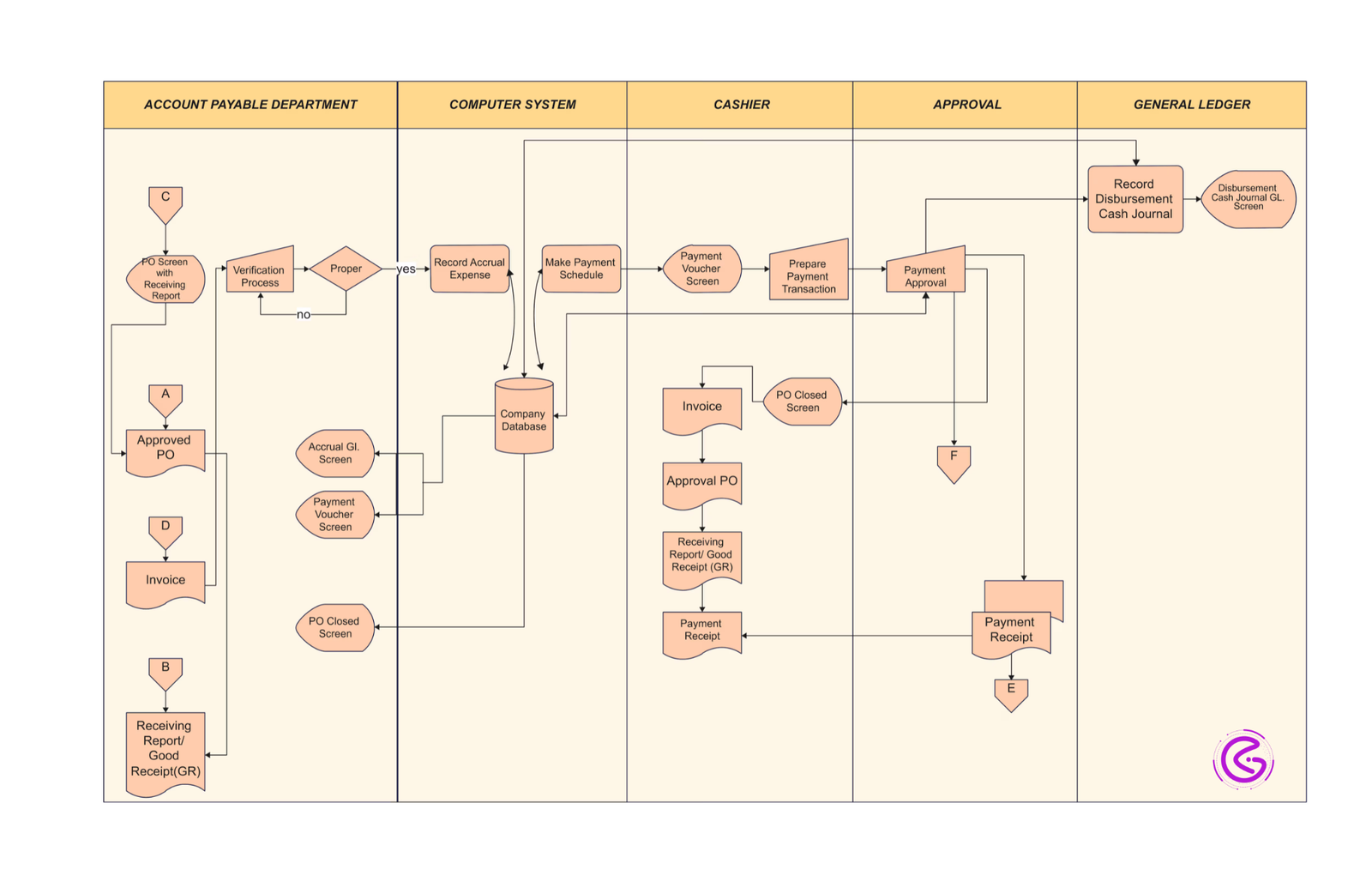
Best For: High volume AP teams
Key features: Processes 99.3% of invoices without human intervention.
What it is/does: Oracle modern capture utilizes generative a.i. For reading line items, tax, and handwritten purchase order numbers from emails with attached PDF documents, scan images or EDI files. Once the information has been captured, it automatically finds a corresponding receipt in your Oracle NetSuite accounts payable system.
Why I like this/ why it matters: I recently viewed a demonstration of this tool and was impressed when they used an email attachment that had faded ink and what appeared to be a coffee stain on it,t and the AI processed it correctly. In addition, the AI determined the missing vendor number based on previous purchases. Some may argue this is excessive automation; however, I can assure you that if you are manually correcting an average of 20 errors per Month (based on a volume of 2000 invoices) as part of your AP process, this will greatly benefit you.
Recent update/statistic/mini case study: In May of 2026, Ardent Partners released a report that showed that best-in-class AP organizations achieved 81% of straight-through processing. The difference between those who were able to achieve high levels of STP and those who did not is how much learning occurs from automated correction. One client utilizing Oracle NetSuite reported reducing data entry errors by 94% after using this application to train their a.i. On all prior invoice exceptions.
Pros & Cons:
| Pros | Cons |
| Reads 50+ invoice formats | The first 30 days need an exception review |
| Learns from corrections | Non-standard layouts slow initial training |
| Mobile capture from phone photos | Requires periodic model updates |
Pro Tip: Set a 2% exception tolerance as your 90-day goal. Most teams hit it by week 12.
NetSuite Accounts Payable Automation: Approval Workflows That Don’t Create Bottlenecks
BEST FOR: Remote teams or multi-departmental teams;
KEY DETAILS: Auto-routing for mobile approvals; Auto-escalation if no response within 48-hours;
WHAT IT IS/WHAT IT DOES: Dynamic routing takes the back-and-forth emailing “Will you please sign off on this?s” out of the equation. Instead, it routes invoices to the proper approver (based on dollar value, department, project code, etc.) or will route to the manager of said approver if there is NO response within 48 hours.
WHY I LIKE THIS/WHY IT MATTERS: How many hours per week is spent by your team chasing down approvals? I used to track a $500 IT Invoice which had to go through 7 emails and take 11 days to receive a signature. Eleven Days. For Five Hundred Dollars. NetSuite Accounts Payable Automation reduces those hours to one simple notification and possible reminder. Guess what? Your people are not the problem. The problem is your processes.
Pros & Cons:
| Pros | Cons |
| Mobile approvals from anywhere | Requires role definitions upfront |
| Auto-escalation prevents ghosting | Overly complex rules confuse users |
| Audit trail for every action | Managers need training on the new flow |
Pro Tip: Start with dollar-based routing only. Add department or project rules after 60 days.
Three-Way Matching Without the Monday Headaches (Inventory-Focused)
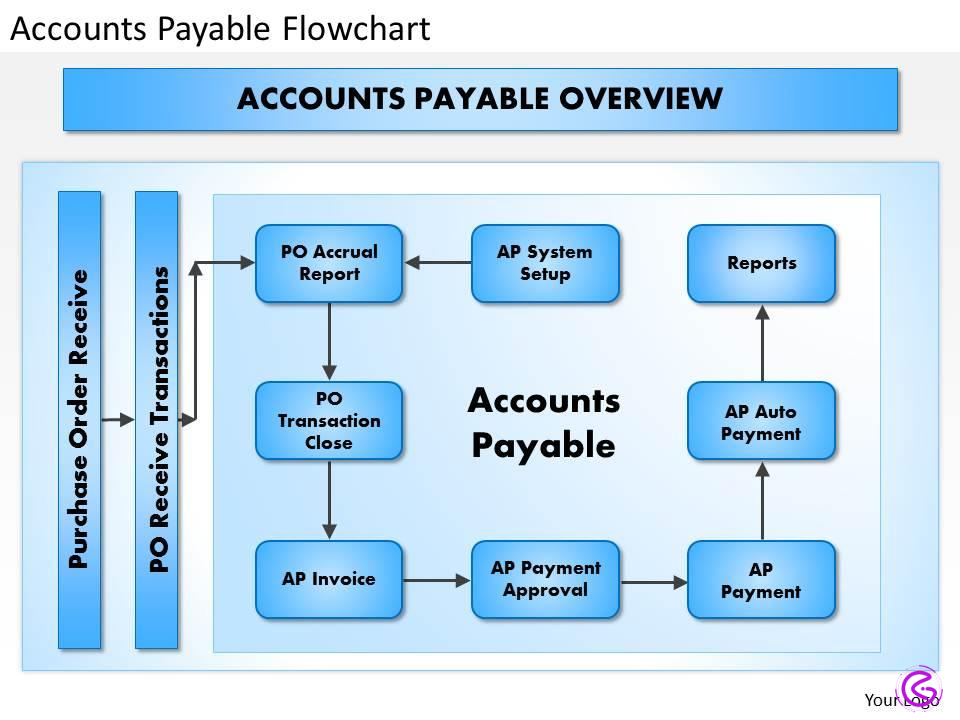
Best For: Businesses with inventory
Key Details: Three-way match of Purchase Order (PO), Goods Receipt, and Supplier Invoice
Three-Way Matching. The organization purchases goods; if the PO, GR & SI are matched automatically by the system, it will flag any mismatches between the three documents (e.g. Quantity differences, Price variations) before paying.
I like it / It Matters; How many times has any of you ever purchased 100 units of an item and only received 90? Manual matching is labor-intensive, as the person must print out all three documents, highlight the discrepancies on each document, and then send a very subtle message to purchasing. With automated matching, this process takes seconds. A CFO recently informed me that they were able to save $47,000 inoverpaymentss last year solely due to implementing this process.
Pros & Cons:
| Pros | Cons |
| Flags price/quantity mismatches | Requires accurate PO data entry |
| Reduces supplier friction | Not needed for service invoices |
| Built-in tolerance thresholds | Setup takes 2-3 hours per vendor class |
Pro Tip: Set a 5% price variance tolerance for low-risk vendors. Tighten to 2% for strategic suppliers.
Real-Time Sync to General Ledger (Close the Books in 3 Days)
Best For: Financial Directors and Controllers
Important Features: No Reconciliation Delays
What it is/What it does: Approved invoices automatically move into the correct GL account(s), cost center(s), and/or project code(s) in Oracle NetSuite – immediately. No monthly end reclassifications. No mystery:y “Where did this accrual come from?”
Why I like it/Why it is important: I remember a December close when we discovered $200,000 in unbilled invoices (that were approved) in a network folder. The AP clerk was out of the office for two weeks, and nobody else had access to the spreadsheet she manually tracked the invoices with. Accounts Payable Automation removes that risk since all invoices are stored in one system and can be viewed by anyone who needs them from the moment they are entered.
Recent update/Statistic/Case study: The 2026 Gartner report stated that real-time AP/GL integration will cut 58% off the month-end closing time for mid-market ERP customers. A professional services firm using Oracle NetSuite has seen its total month-end closing go from 11 days to 2.5 days for the first time after automating its GL sync.
Pros & Cons:
| Pros | Cons |
| Real-time accrual accuracy | Initial mapping requires GL expertise |
| No manual journal entries | Chart of accounts changes need updates |
| Audit-ready at any moment | Can’t override without approval trail |
Pro Tip: Map your top 20 vendor GL codes first. That covers 80% of your volume.
Comparison Table: Top NetSuite AP Automation Approaches for 2026
| Approach | Best For | Key Feature | Time to Value | Next Year Outlook |
| Native SuiteBilling | Subscription businesses | Usage-based invoicing | 4-6 weeks | Deeper AI forecasting |
| Zone & Co. (ZoneAP) | Mid-market manufacturing | Advanced three-way matching | 6-8 weeks | Predictive PO matching |
| Celigo AP Automation | Multi-ERP environments | Pre-built NetSuite connectors | 2-4 weeks | Expanded LLM extraction |
| SmartAP by Cloud9 | High-volume retail | 99.7% straight-through processing | 8-10 weeks | Real-time fraud detection |
How to Choose the Right NetSuite Accounts Payable Automation
Here are some honest tips I would give. Do not begin by listing the features. List the problems you are having.
There are three questions to ask yourselves:
- Does 80% or more of your bills have a purchase order?. → Three-way matching needs to be prioritized.
- Are approvals the primary cause of delays? → Mobile Routing & Escalation should be targeted.
- Do you have one company that has many divisions? → Multi-Book Accounting needs to be native.Quick picks for the different groups:
- Small Groups (less than 5 AP Staff): Begin with Native Capture & Basic Routing. Do Not Over Complicate.
- High Volume Groups (Over 10,000 Invoices/Month): Spend Money on AI Exception Handling & Dedicated Middleware.
- Limited Budget: ZoneAP provides a Strong Return On Investment for less than $2k per month for Most Mid-Market Companies.
FAQs
Will accounts payable automation replace my clerks?
No – it will free up time for your clerks to negotiate better terms with vendors, analyze cash flow, and perform other strategic activities. The majority of organizations that have implemented automation retain their current staff size and hire additional strategic staff members.
What is the cost range for implementing accounts payable automation?
The cost of implementing accounts payable automation ranges from $1,500 – $5,000 monthly for companies processing 500 to 5,000 invoices. Costs are either usage-based (per invoice) or per seat. (Source: Spendmatters, 2026)
Can accounts payable automation process international invoices with VAT/GST taxes?
Yes. Many leading solutions can extract tax codes from international invoices and automatically convert currencies.
Is accounts payable automation secure for sensitive vendor data?
Yes. Most vendors provide role-based access controls, audit trails, and SOC 2 Type II certifications to ensure the security of sensitive vendor data.
How does NetSuite automate accounts payable?
Oracle NetSuite’s automated Accounts Payable process includes AI-enabled applications that extract the data from invoices, match this to purchases made through POs, send them automatically for approval, and pay vendors electronically to eliminate paper checks and reconcile all vendor statements with their respective Vendor Ledgers using one application.
What can Automated Accounts Payable do to help shorten month end closing?
Automated Accounts Payable shortens the closing period significantly by taking approximately 10-14 days down to a few days. It also helps provide real-time accrual information; therefore, there are no reconciliation errors due to differences in how invoices were booked in previous periods. In addition, when an organization uses Automated Accounts Payable, they have a single point of reference for each invoice,e regardless of whether it has been paid or remains open.
What are some of the key components of NetSuite’s Automated Accounts Payable function in 2026?
1) Data Capture: Utilizes Artificial Intelligence (AI) to capture data from invoices, including line item detail and handwritten notes on invoices. The accuracy rate for this function exceeds 99%.
2) Approval Process: Has dynamic approval processes based on dollar amount, department, project code, etc. Therefore, approvals are routed to the correct individual(s).
3) General Ledger Sync: Posts invoices to the General Ledger immediately after receiving approval. There are no longer manual postings necessary.
Question: Is NetSuite able to support multiple subsidiary entities using its Automated Accounts Payable function?
Answer: Yes. The Automated Accounts Payable function within Oracle NetSuite utilizes native multi-book accounting capabilities,s which enable users to eliminate intercompany transactions as well as apply local taxes per subsidiary entity.
Question: Approximately what length of time will most organizations need to reach the target ROI?
Answer: According to a study completed by Ardent Partners in 2026, most organizations will be able to achieve their full ROI on the investment associated with utilizing NetSuite’s Automated Accounts Payable functions within six to nine months. This is primarily driven by two areas:
A. Reduced cost due to elimination of early payment penalties.
B. Elimination of late fees incurred due to slow payment terms being applied.
Conclusion
In conclusion, implementing NetSuite Accounts Payable Automation That Transforms Finance 2026 is not about finding the most modern AI product, but about freeing up time in your employees’ day, completing the accounting close without heroic efforts, and being able to sleep at night knowing you have not paid a supplier twice on an invoice. Begin by identifying one of these areas as a starting point (approvals, data entry, etc.) and then expand your business automation strategy across finance operations.
As we move forward into 2027, I anticipate that we will begin seeing predictive accounts payable systems where predictive analysis will provide suggestions for correcting errors prior to an employee identifying the error. However, you do not have to wait until that technology is available. The technologies that exist today, including NetSuite Accounts Payable Automation That Transforms Finance 2026, can be used now to transform your finance operations.