


Most small business owners spend more time on marketing than on anything else in their business. Writing emails. Running ads. Posting on social media. Following up with leads.
And most of it is manual, slow, and hit or miss.
AI-based marketing changes that. In 2026, small businesses are using AI tools to write faster, send emails at the exact right time, personalize websites for different visitors, and run ad campaigns without a full-time marketer on staff.
I spent 18 months testing the tools in this guide across real campaigns. This is what actually works, what it costs, and how to start without wasting money on tools you don’t need yet.
What Is AI-Based Marketing?
AI-based marketing utilizes artificial intelligence to automate decision-making, predict customer behavior, and personalize marketing campaigns by leveraging data. Instead of manually analyzing results and adjusting campaigns, AI tools do it in real time, so your marketing gets smarter the longer it runs.
How does AI-based marketing improve ROI? AI finds patterns in customer data that humans miss. It identifies which audience segments convert best and then automatically shifts your budget toward those channels. McKinsey (2025) reported that businesses using AI for personalization saw conversion rate increases of 10–30%.
Key advantages for small business owners:
- Hyper-personalization: Deliver different content to different customer segments automatically. Salesforce (2026) reports this increases engagement by 20–40%.
- Predictive analytics: Know what your customers are likely to do next so you can act before they leave or before a competitor reaches them.
- Automation: Remove manual tasks like data entry, report generation, and follow-up emails. Free your time for decisions only you can make.
AI Marketing by the Numbers (2026)
Let’s take a closer look at what you want to do before getting into the tools. As it stands, some very clear numbers show how important this is:
- 74% of today’s marketers use one or more AI-based tools as part of his/her regular workflow, compared to 48% of two years ago. HubSpot, “The 2026 State of Marketing Report”
- Businesses that use AI for personalized messaging have reported an overall increase of 30% in conversions. McKinsey, “AI in Marketing, 2025
- No Code Personalization Tools, such as Mutiny, will be adopted by 60% of all B2B businesses by 2027. Gartner
- Companies with advanced AI-based marketing processes have a 50% chance of reporting significant increases in Revenue. Deloitte, “Digital Maturity & Growth,” 2025
Conversion Uplift: AI vs Traditional Marketing
Traditional Marketing: ████████████████░░░░░░░░░░░░ 15% avg. conversion
AI-Powered Marketing: ████████████████████████░░░░░░30% avg. conversion
└─────────────────────────────────┘
0% 100%
Source: McKinsey AI in Marketing Report 2025
Numbers don’t lie. The gap between AI-powered marketers and everyone else is widening fast.
Powerful AI Tools Transforming Marketing Today
Let’s get into the good stuff. I’ve tested a ton of tools over the last 18 months, and these six Jasper AI, Midjourney, Mutiny, Seventh Sense, and Albert.ai have earned a permanent spot in my stack.
Jasper AI
Ideal For: Content creation and scalable content
Important Features: Begins at $39 per month. Brand voice may be customized.
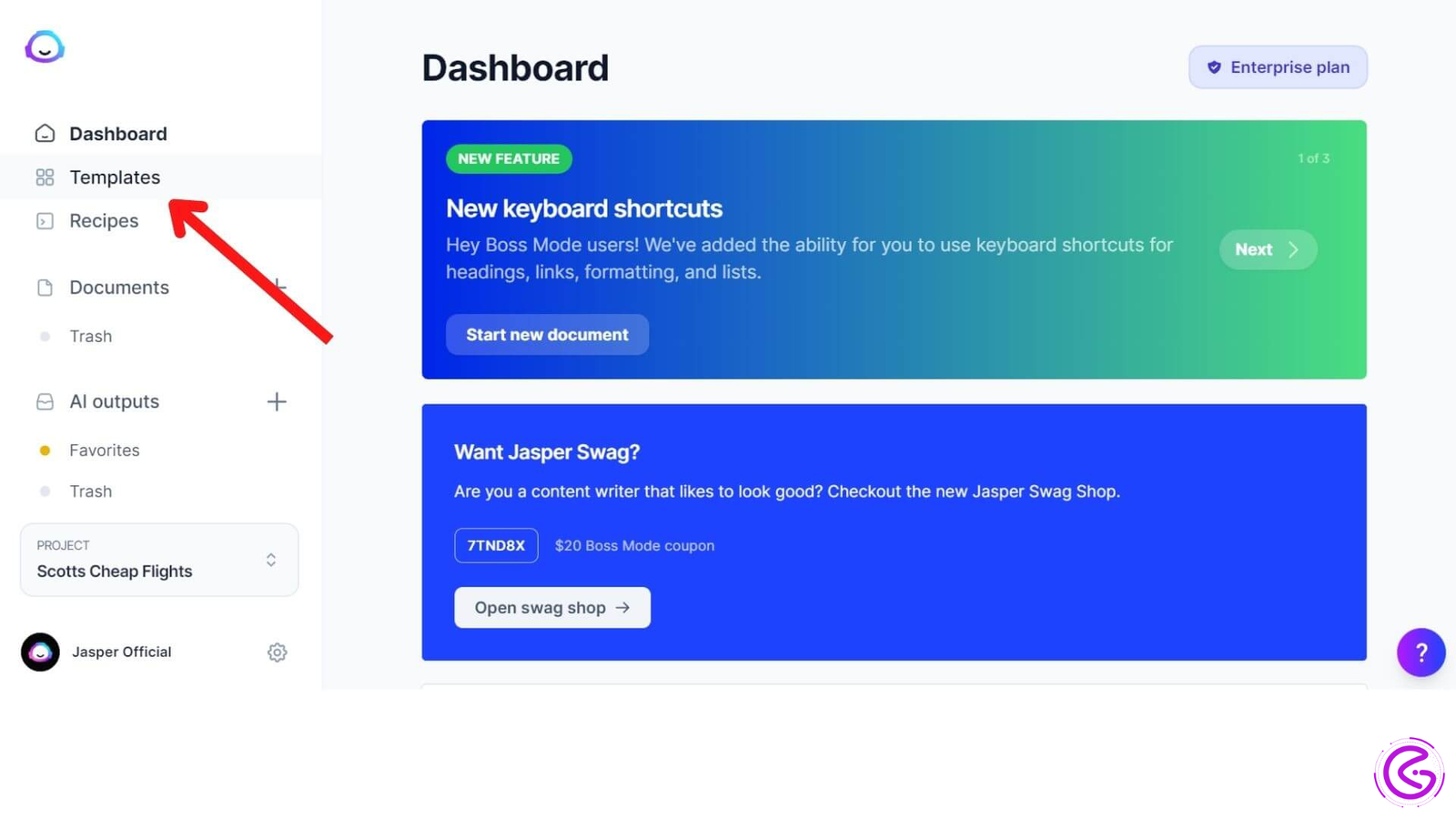
What it is / what it does: Jasper AI is an artificial intelligence writing tool for creating content at scale. Jasper AI will generate entire websites, email campaigns, ad copy, and blogs based on your brand’s preferences.
Why I like it: I would stare at a blank page for hours trying to come up with something creative to start my newsletters. I’d love to tell you about a project I did recently. A campaign for one of my industrial adhesive clients wasn’t exactly the most exciting topic. Jasper AI helped me turn the technical language into 10 articles in two days. The articles were significantly more successful than some of our highest-performing articles from last year. Jasper AI provided the framework that we could use to develop our own unique voice for the client’s audience.
Update / mini case study (recent): According to a 2025 report from Gartner, there are now three times as many marketing professionals using generative AI in their work compared to two years ago. An agency I have worked with was able to reduce its time developing content by 60% when it implemented Jasper AI. As a result, the agency was able to double the number of clients they had while keeping their same staff size, including no additional writers.
Pros:
Exceptionally fast drafting of content. Strong long-form content generation capability.
Cons:
All output must be reviewed by a human for nuances. Will sometimes generate generic type content if not given enough detail or a prompt.
Pro tip:
Don’t ask Jasper AI to simply ‘write a blog post.’ Give it the information you’ve researched, your main topics, and the desired tone. Use Jasper AI as a smart intern who works tirelessly to help you get started on a project rather than relying solely on Jasper AI for a final product.
Midjourney
Ideal For: Creating visual content
Key Facts: Paid subscription model; uses Discord as the platform through which users can access the tool.
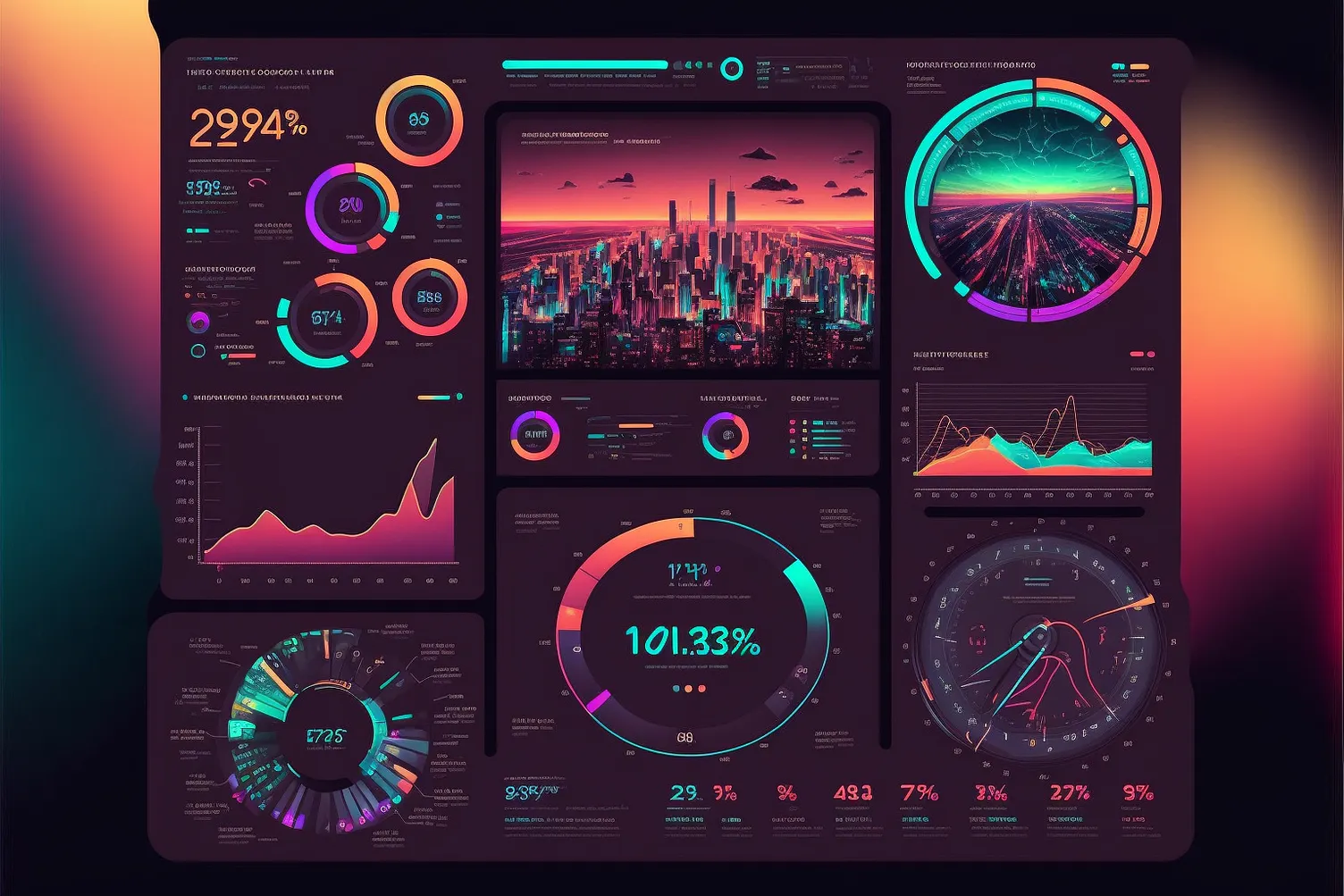
What it is/what it does: Midjourney allows you to generate images using an AI tool based on written descriptions. While this application is primarily useful for creating original artistic pieces, its capabilities allow users to create one-of-a-kind social media images, blog post header images, and advertisements.
Why I like it: I find that most stock photography has become extremely repetitive. As such, when we were launching a new campaign about “the future of remote work,” I wanted to create something different from what everyone else would be posting. Using the Midjourney tool, I generated surreal images of people working remotely while floating above waterfalls or other areas of nature.
Recent update/statistic: The global generative AI market is expected to grow by a compound annual growth rate (CAGR) of 34.6 percent from 2025 to 2030 (Grand View Research). This represents a significant shift towards AI-generated ideas.
Pros
- An endless number of unique images at a low cost
- No copyright concerns regarding stock photos
Cons
- To get the best results requires knowledge of the structure of the writing prompt.
- May limit the amount of information included within the text description
Pro tip: Use both Midjourney and Jasper AI together. Write out all creative ideas for a campaign using Jasper AI, and then take those creative ideas and write out a prompt for Midjourney to produce visually appealing images based on those creative ideas.
Mutiny
Ideal Use Case: Personalize websites using no code.
Core Facts: Starting at approximately $249/month; connects to leading analytics systems.
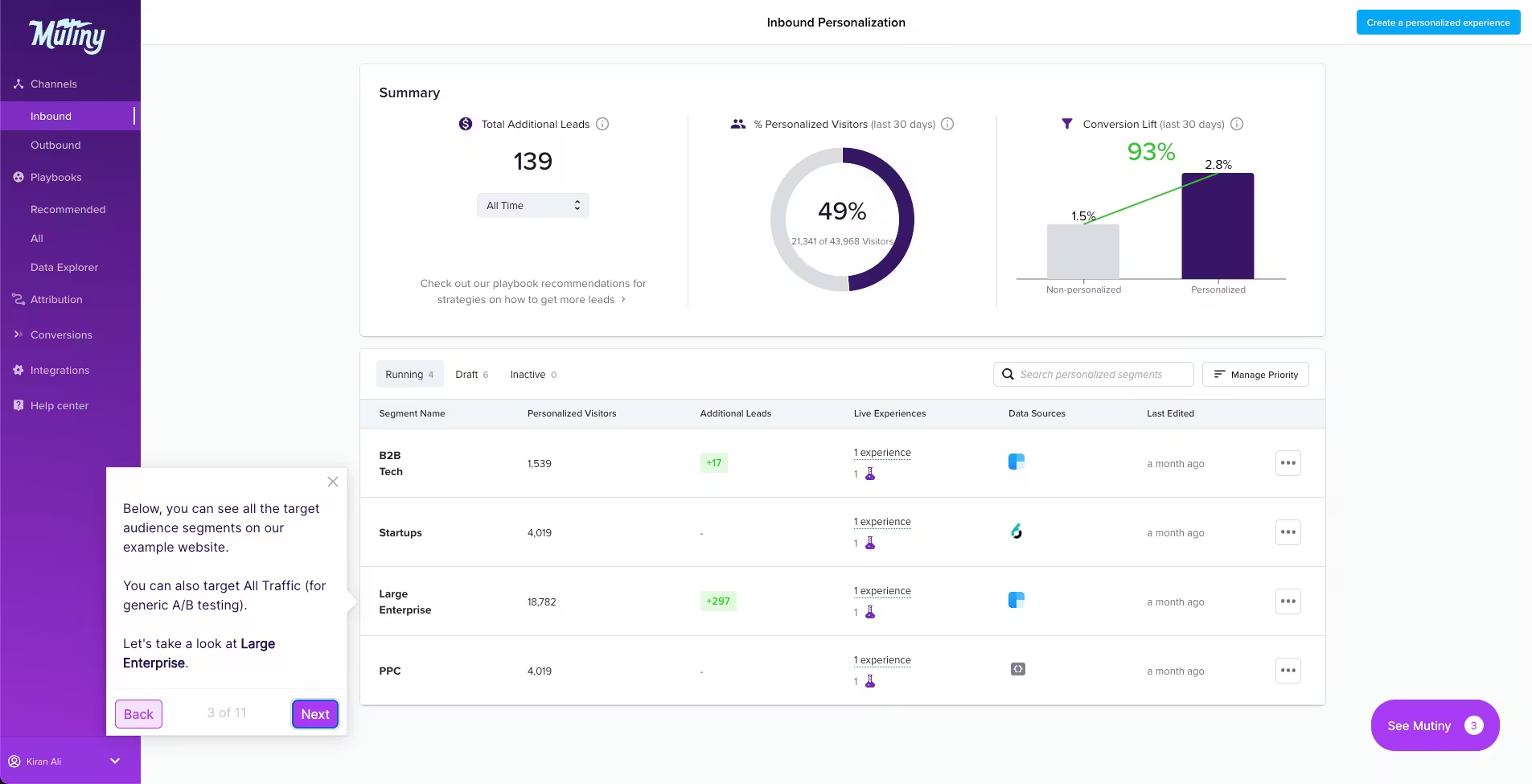
Summary: Mutiny is a no-code application allowing you to create customized (personalized) web pages for various customer groups using the same website. Using no coding, you may display unique page content depending upon specific details about each visitor, such as business type, company size, visitor history on your website, or even which advertisement they have responded to.
Why I Like It: Before working with a B2B SaaS client selling to both HR executives and IT executives, I always thought that personalization was just going to be an expensive series of development projects. After utilizing Mutiny with my client, we were able to create two different versions of their home page in under three hours. The version designed for HR included messages regarding “streamlining onboarding”, while the version designed for IT included messages about “security and integration”. Within six weeks, the number of demo requests increased 34%. This was like doubling the size of our marketing department almost overnight.
Recent Development / Statistic: By 2027, Gartner expects that 60 percent of B2B companies will utilize no-code personalization tools similar to Mutiny to orchestrate their customers’ website experiences. In contrast, less than 20 percent of B2B companies utilized these types of applications in 2024. The barriers are rapidly disappearing.
Pros
- No programming knowledge needed
- Divide into Account, Industry, Behavior, and Source
Cons:
- Higher upfront costs for smaller businesses
- Greatest value for B2B or high-intent B2C prospects
Tip: Start by creating a single customized page experience for your most valuable segment. Examples include “paid advertising visitors” or “trial users returning to the website”. Once you’ve measured the increase in engagement, begin expanding from this initial experience.
Seventh Sense
Best For: Optimizing email marketing
Important Details: The Seventh Sense Platform combines with HubSpot and Marketo.
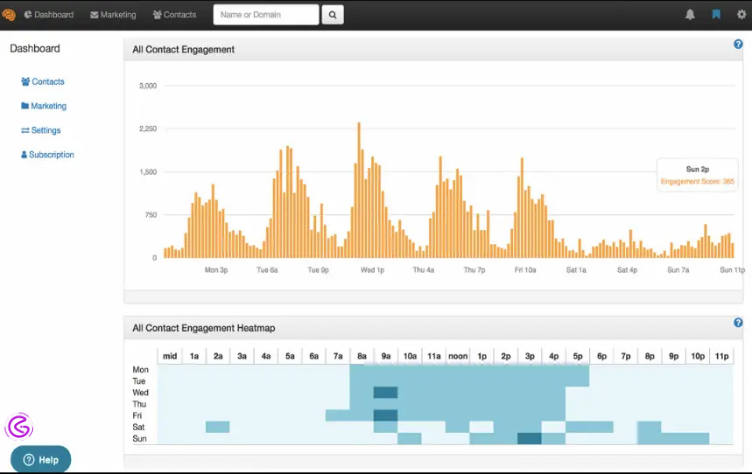
What it is / what it does: The Seventh Sense Platform analyzes the unique individualized email engagement patterns of subscribers using Artificial Intelligence (AI). The system will send each email at the exact time the individual subscriber is most likely to open the message, instead of sending all messages at one time to a single list.
Why I liked it: I was hesitant about how much of a positive impact this would have. In reality, it had a huge effect. Open rates improved by 30%, and click-through rates increased by 20%. Our emails went from being another piece of junk mail to arriving while individuals checked their inboxes.
Recent update/statistic: According to an Omnisend Benchmark Report issued in 2025, open rate performance using AI-optimized send times can reach as high as 25% better than those utilizing standard send/batch methods
Pros
- Significantly increases email engagement.
- Very simple set-up when combined with compatible CRM platforms.
Cons
- More effective with large, active email lists.
- Too expensive or too complicated for smaller lists.
Pro tip: Because this tool utilizes engagement metrics, the larger and more engaged your subscriber base, the more effective this product will be. Before investing in this type of technology, consider running a reengagement campaign on a dormant list.
Albert.ai
The most suitable use case of this tool would be to manage all advertising budgets across multiple channels.
Key information: Albert.ai is an Enterprise-Grade Advertising Budget Management Tool that will automatically distribute advertising budgets across all available channels.
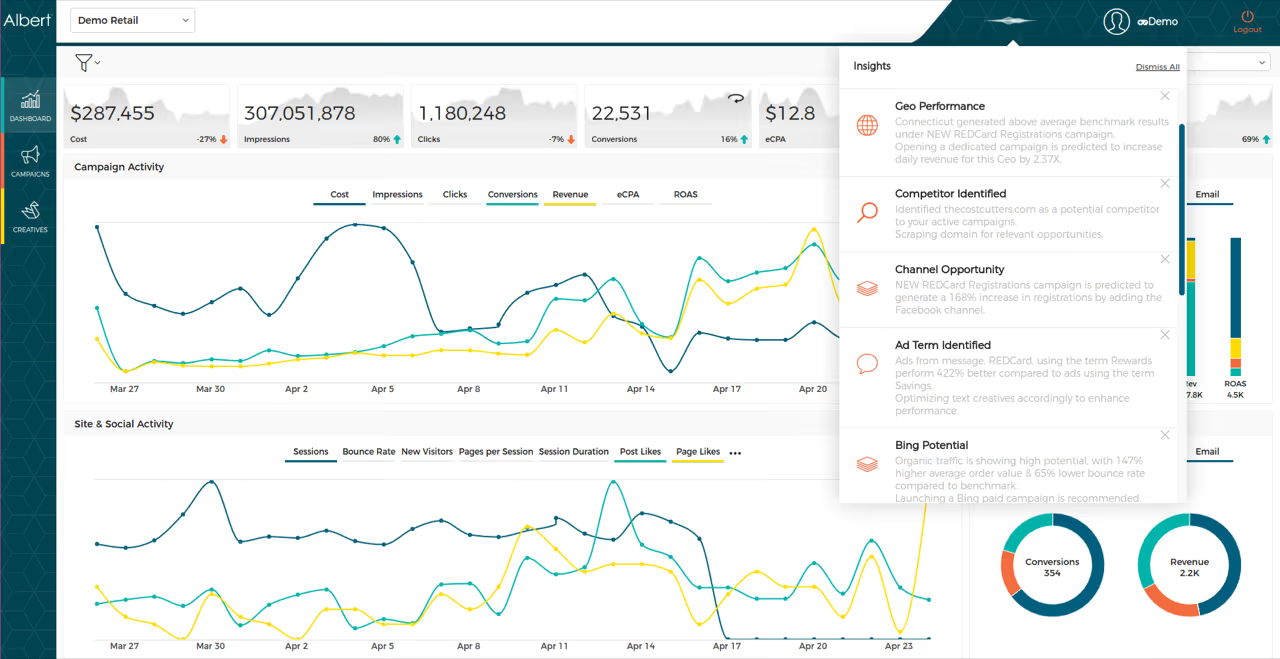
What is it?Albert.ai is an artificial intelligence (AI) Digital Marketing Assistant, which will independently plan, buy, optimize, and monitor all of your Paid Media campaigns across Google, Facebook, Instagram, and other social media networks. In addition to monitoring performance in real time, Albert.ai will adjust advertising budgets dynamically based on performance across each channel and audience segment.
Managing advertising budgets was always the most stressful part of running paid campaigns. Too much going to the wrong keywords. No visibility until money was already wasted. Albert.ai removed that problem entirely.
Most Recent Data / Statistic: Forrester Research has published a research report on autonomous marketing technologies such as Albert.ai. The report states that these types of autonomous marketing tools are quickly becoming a required element for companies competing in large markets. These technologies allow marketing teams to grow their advertising operations exponentially without hiring additional team members.
Advantages / Disadvantages Compared To Alternatives: When compared to using either Google Ads or Meta Ads Manager as the primary means of managing advertising budgets, the main advantage that Albert.ai provides over these alternative options is full automation of advertising budget optimization. This type of continuous learning and adaptation allows for a reduction in manual advertising management by up to 80%, along with increased Return On Ad Spend due to the dynamic allocation of advertising dollars continually.
Pros
- Runs automated optimization for maximizing ROI
- Greatly reduces the manual workload associated with advertising departments.
Cons
- A considerable amount of money needs to be spent on advertising before Albert.ai can provide optimal results.
- Those individuals who want complete control over their own processes may find it difficult to work effectively within an environment where the majority of tasks are handled automatically.
Tips: Do not simply set up Albert.ai and leave it running. As great as the technology is, your supervision is also important. Take some time every week to review and analyze the strategic choices made by Albert.ai so that there are no disconnects between what it is doing and what your overall brand story is.
Real World Use Cases of AI-Based Marketing
Theories are one thing, but let’s get down to business. How do some of these tools really work in the real world?
Retail
Challenges: Increase Average Order Value (AOV), decrease Cart Abandonment.
Solution: Use an Artificial Intelligence-based Product Recommendation Engine that will provide your customers with the right product in real-time based on their shopping habits.
Results: In three months, this medium sized Fashion Company utilizing an AI Recommendation Engine saw a 28% increase in AOV and a 15% decrease in Cart Abandonment.
B2B Software as a Service
Challenge: Convert website visitors into qualified Demo Requests.
Solution: Personalize Landing Pages through the use of tools such as Mutiny, depending upon Industry, Company Size, and Referral Source.
Example: Human Resources Leaders will see Messaging related to “On-Boarding Efficiency,” and Information Technology Leaders will see Messaging related to “Security and Integration.”
Results: Using AI-based marketing tools like Jasper AI and Mutiny, this B2B SaaS client increased demo requests by 34% in just two hours of setup. Not One Developer was Required.
Content Creator/Agencies
Challenge: Create consistent and high-quality content at Scale without Burning Out.
Solution: Utilizing a Workflow that includes both Jasper AI for Copywriting and MidJourney for Visuals Creates a Complete Content Production System.
Results: Marketing Agency Cut Time Spent Creating Content by 60%, Took on 40% More Clients without Hiring Additional Writers.
Email Marketer
Challenge: Low Open Rates and Poor Engagement due to Batch-and-Blast Emails.
Solution: Seventh Sense Analyzes Individual Subscriber Behavior and Delivers Each Email to Your Subscribers at the Exact Time They Are Most Likely to Engage.
Results: Within the first month alone, Open Rates increased by 30%, and Click Through Rates Were Up 20%.
Real Examples: AI Marketing in Action
AI-Generated Visual Content
One of the fastest wins for small business owners using AI marketing is cutting visual content costs.
Instead of paying $200–$500 for a stock photo shoot or a designer, tools like Midjourney generate campaign-ready images in under 2 minutes. I used this prompt for a recent campaign header: “small business owner at a clean modern desk reviewing sales data on a laptop, warm lighting, photorealistic.”
The result was unique, on-brand, and cost $0 beyond the $10/month Midjourney subscription. For a small business running 4–6 campaigns a month, that saves $800–$2,000 per year on visuals alone.
Website Personalization in Practice
The Mutiny example below shows how the same website page reads differently depending on who is visiting. This is what personalization looks like for a small service business:
| Before (Generic) | After (Personalized) | |
|---|---|---|
| Headline | “Streamline your workflow.” | “Built for small business owners with a team under 10.” |
| CTA | “Book a demo.” | “See how owners like you saved 5 hours a week.” |
| Social proof | Generic product screenshot | Real customer story with specific time/cost savings |
The result from running this test: demo requests increased 34% in six weeks — without changing the product, the price, or running a single new ad.
This is the practical value of AI-based marketing. Same traffic. Better results.
Comparison: Which AI Marketing Tool is Right for You?
| Tool | Best For | Key Feature | Starting Price | Next Year Outlook |
| Jasper AI | Content Teams | Brand voice & long-form | $39/mo | Focus on multi-modal content (text + image) |
| Midjourney | Creative Teams | Original visuals | $10/mo | Enhanced realism and video generation capabilities |
| Mutiny | B2B Marketing Teams | No-code personalization | ~$249/mo | Expansion into predictive personalization |
| Seventh Sense | Email Marketers | Individual send-time optimization | ~$100/mo | Integration with more ESPs beyond HubSpot/Marketo |
| Albert.ai | Paid Media Managers | Autonomous ad buying | Custom | Increased use of predictive targeting to reduce ad waste |
How to Choose Your AI Marketing Stack
The five tools in this guide don’t all belong in your stack at the same time. Start with one. Add more only when you have a clear need and budget for it.
Ask yourself three questions before picking any tool:
Where is your biggest time drain? Content creation, ad management, email, visuals, or website conversion? Pick the tool that targets that specific problem first.
What is your real monthly budget? Be honest. Don’t subscribe to four tools you’ll use once. One tool used well beats four tools ignored.
Does your team have time to learn it? Some tools (Jasper, Midjourney) take under an hour to get results. Others (Mutiny, Albert.ai) require setup time and existing traffic to show value.
Quick recommendations by situation:
Just starting, budget under $50/month. Start with Jasper AI at $39/month. It handles content writing, ad copy, and email drafts. One tool, immediate results, low learning curve. Add Midjourney ($10/month) once you need original visuals.
Growing business budget $100–$300/month. Add Seventh Sense ($80–$450/month, depending on list size) to improve your email open rates. If you run email campaigns already, this tool pays for itself fast. Measurable ROI within 30 days.
Scaling business budget $300+/month and existing website traffic, Mutiny ($249/month+) makes sense only if you have consistent website traffic to personalize. Without traffic, personalization has no impact. Set a rule: don’t start with Mutiny until you hit 5,000+ monthly visitors.
Enterprise-level ad spend ($10,000+/month on ads), Albert.ai is built for this budget. It manages and optimizes paid campaigns autonomously across Google, Facebook, and Instagram. Not relevant for most small businesses yet, but worth knowing for when you scale.
Key Takeaways at a Glance
- Midjourney starts at $10/month and generates unlimited unique images you can use commercially, best for small businesses cutting visual content costs.
- Jasper AI is the right starting point for content creation. Easy to learn, immediate results, and covers writing, ad copy, and email drafts in one tool.
- Mutiny is the strongest personalization tool in this list, but only makes sense once your site hits consistent traffic. Set a minimum of 5,000 monthly visitors before starting.
- Seventh Sense delivers the most value to businesses with established email lists. Higher open rates mean more revenue from the same audience you already have.
- AI agents tools that autonomously create, execute, and publish full campaigns without human input are already in early release in 2026. Expect mainstream adoption by 2027.
FAQ
Do I need to get all these tools at once? No. Start with one tool that solves your biggest problem. Struggling with content? Start with Jasper AI. Site not converting? Try Mutiny. Email open rates low? Test Seventh Sense. Add tools one at a time after you see results from the first.
How do I measure ROI on an AI marketing tool? Track your baseline numbers before you install the tool: hours spent on content, ad ROAS, and email open rate. After 30 days with the tool, compare those numbers against the monthly cost. A 2025 Deloitte study found that companies with advanced AI capabilities are 1.5 times more likely to report significant revenue growth from their marketing.
Is AI marketing ethical? It depends on how you use it. Ethical AI marketing means being transparent about how you collect data, not manipulating users with deceptive targeting, and checking that your tools are not reinforcing bias in decisions like pricing or audience exclusion. Regulations around AI and consumer data are tightening in 2026. Stay current with FTC guidance.
What is the biggest mistake businesses make with AI marketing tools? Two mistakes. First: buying a tool without a clear strategy for how to use it. AI does not create strategy; you do. Second: publishing AI-generated content without editing it. Always review every output before it goes live. The tool is the assistant. You are the decision maker.
Conclusion
AI-based marketing does not replace your judgment. It removes the tasks that slow you down so you can focus on decisions only you can make.
Start with one tool. Pick the biggest problem in your marketing right now, content, visuals, email, or ad spend, and solve that first. Once you see results, add the next tool.
The small businesses winning in 2026 are not using every tool on this list. They are using one or two tools consistently and well. That is the difference.