


As technology becomes new every day, there’s still only one thing you can depend on: your customer base has very little time to give their attention.
Social media platforms use their algorithms to determine which of your posts will be viewed. Of all the advertising media available, there are only two ways to get your message out, and they put you back in control: email and SMS marketing.
Email and SMS marketing are not “nice to haves” for small business owners and solopreneurs. These are the best two ways to generate sales, build relationships with your customers, and keep your product/service at the forefront of their minds.
In this free guide, we will walk you through real-world email and SMS marketing strategies you can implement now to connect with your target audience, increase their engagement, and grow your business without the need for complicated technology or expensive software.
Why Email & SMS Marketing Still Dominates in 2026
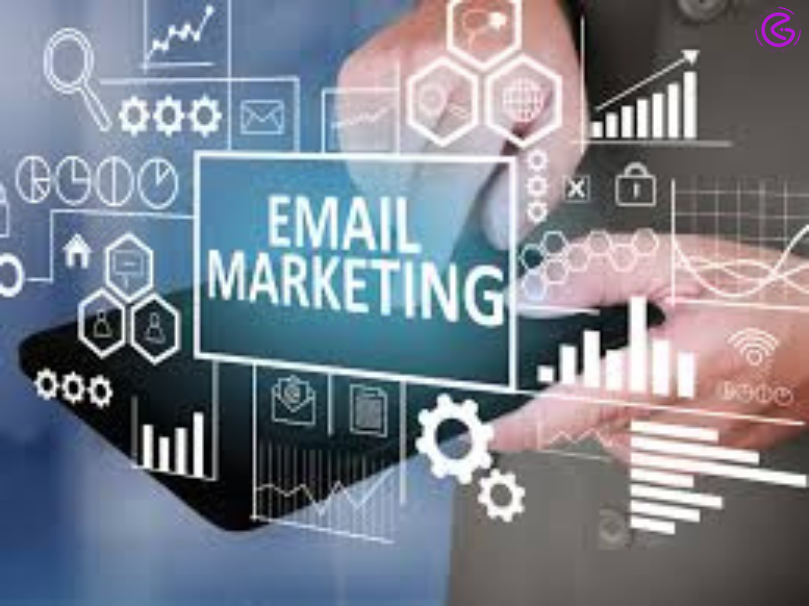
Several experts have forecasted that messaging applications and AI chatbots will eventually replace both email and texting. This has yet to occur. As a result, email and SMS have become more sophisticated in their use.
The reasons why these communication forms continue to be important are as follows:
- Ownership: Your email list is owned by you. The people who follow you on a social platform do not belong to you.
- High Return On Investment (ROI): Industry benchmarking indicates that email marketing has a return on investment of $36.00 for each dollar spent(source: Litmus).
- Immediate Delivery: Open rates for SMS messages often exceed 90% (source: Statista), with most reads occurring within 3 minutes of delivery.
- Personalization: Today’s digital communication tools enable you to send the appropriate message to the correct individual at the proper moment.
This combination provides a strong foundation for small business owners to develop a consistent source of revenue.
Email & SMS Marketing: Understanding Email vs SMS
Before going on to discuss how to implement these channels as part of an overall campaign strategy, it will be useful to identify what each channel does best.
Email: The Workhorse
Email has long been ideal for delivering more substantial amounts of content. Email can be used to deliver Newsletters, Product Launches, Blog Posts, and Storytelling. This allows you to have the ability to educate, Entertain and persuade.
Email Campaigns work best in situations where:
- You want to share detailed information.
- You want to Build Brand Authority.
- You want to Nurture Leads Over Time.
- You Want to Drive Traffic to Your Website or Blog.
SMS: The Urgent Companion
SMS is a Short Message Service. Text Messages are short and immediate. SMS can be used for Flash Sales, Order Updates, Abandoned Cart Reminders, and Time-Sensitive Offers. Since SMS is Invasive by Nature; Respect Is Key – Send Sparingly.
SMS Campaigns Work Best For:
- Time Sensitive Announcements.
- Transactional Updates.
- Exclusive VIP Offers.
- Event Reminders.
Taken together, They Form A Complete Communication System.
Top Email Marketing Strategies in Email & SMS Marketing (2026)
Email marketing by 2026 will be about making sure your message is relevant and timely.
You Build Your Own Asset, The Quality Of Your Email List From Day One
The quality of your email list is an important asset. However, size doesn’t necessarily equal quality. An active and responsive list of subscribers is far more valuable than a passive and unresponsive list of subscribers, regardless of its size.
Ethical ways to build your email list are:
- Provide a lead magnet that’s easy for people to opt-in for (e.g., discount codes, checklists, mini-guides)
- Have a sign-up form on your website and social media sites
- Collect email addresses during the checkout process at an event
- Always obtain permission before adding someone to your email list and clearly state what you’ll send them.
Pro Tip: Don’t buy email lists. They’re bad for deliverability and can also violate privacy laws such as GDPR and CCPA.
Segment Your Audience for Better Results
Segmentation is the process of dividing your subscribers into groups according to their behaviors and/or preferences. Segmenting allows you to send messages that are relevant to each segment. This helps increase your open rate while decreasing the number of unsubscribes.
Segments for Small Businesses:
- New Subscribers (Send a Welcome Series)
- Repeat Customers (Reward Loyalty)
- Inactive Subscribers (Try Re-Engagement Campaigns)
- Product Specific Interests (Based on Past Purchases)
Segmentation can even improve performance with just the basics. All email marketing software has segmentation built in at no additional cost.
Write Subject Lines That Get Opens
. The subject line of your e-mail will determine if your e-mail is viewed by others or deleted.
The most effective ways to write subject lines:
- Write no more than 50 characters long;
- Are not clickbait, but rather specific;
- Use personalization, such as first names, very sparingly;
- Use test emojis when applicable to your brand voice.
Instead of using “Big News Inside”, use “Your 20% Off Code Expires Today”.
Create Design for Skimmers
Many individuals view e-mails on mobile devices. Create an environment for them to skim through your e-mail.
Use:
- Short paragraphs;
- Headlines with bold print;
- Call-to-action buttons are clearly defined.
- Very few images (many email clients block images);
A clean, text-based e-mail design may produce better results compared to a highly creative design.
Automate Important Messages
Automation can save time and increase revenue. Create automated email sequences based on the actions of customers.
Important automation opportunities for new users:
- A welcome e-mail that goes out instantly after a user signs up.
- An abandoned cart reminder (if you sell products);
- A post-purchase follow-up (request a review or suggest another item);
- A birthday/anniversary discount.
Once you create these automated e-mail campaigns, they continue to operate automatically.
Top SMS Strategies for Email & SMS Marketing Success
When using SMS marketing, think about your customer and the personal relationship you’ve developed. Customers view texts as being more personal than emails; therefore, be thoughtful in your use of texting.
Obtain explicit consent
Most countries require an opt-in before sending a text message to a customer. This is required by law, and itis alsos considered good practice.
Some best practices for SMS campaigns:
- Double-opt-in for SMS
- Tell the subscriber how frequently they will receive messages
- Give the subscriber an easy way to opt out of receiving messages (i.e., reply STOP)
- When possible, keep an SMS campaign list separate from your email campaign list
Be concise and provide value
You have 160 characters to convey a message. Be thoughtful in your choice of words.
What makes effective SMS messaging:
- Flash sales announcements
- Order confirmation and shipping updates
- VIP customers get exclusive early access
- Event reminder
Include a clear call-to-action (next step), such as a link or reply option, in all of your SMS messaging.
Timing of your messages:
Unlike email, which may sit in an inbox for weeks or months at a time, SMS is interruptive. Therefore, be mindful of the time of day you send your messages.
Some general guidelines regarding timing:
- Do not send messages in the early morning or late evening
- Mid-week afternoons are usually good times to send messages
- If you have international customers,s consider their time zone when sending messages
- Test different days of the week to determine which days your customers prefer
Integrate SMS with Email
When used in conjunction, both SMS and email can create a very powerful experience.
Example of integration:
- Send an email on Monday announcing a weekend sale with all the details
- Send an SMS on Friday, reminding your subscribers that the sale begins in one hour
Tools to Simplify Email and SMS Marketing
There is no need for a developer to help you handle these channels. There are several options available for small businesses to easily create their own communications channel.
All-In-One Solutions
- Combine Email & SMS in One Dashboard.
- Klaviyo: Klaviyo is very popular among e-commerce stores and has great capabilities for segmentation and automation.
- HubSpot: Includes Free CRM Integration. HubSpot is best suited for Service Based Businesses.
- Brevo (previously SendinBlue): Best option if budget is an issue. It also comes with Free SMS Credits.
Email-Only Options
Start Here If SMS Isn’t Your Focus Yet.
- Mailchimp: Mailchimp is great for beginners. They have a Free Plan Option.
- Constant Contact: Constant Contact is well known for having Excellent Customer Support.
- ConvertKit: ConvertKit is designed for Creators & Bloggers.
Moving on to SMS Marketing Tools
For those who are now focusing on SMS (text) as part of their marketing strategy.
- PostScript: For Shopify store owners.
- Attentive: High-end for growing lists and creating personalized messages.
- SimpleTexting: The choice for any size business.
Measuring Success: Key Metrics to Track
Email metrics help identify whether you’re reaching people or if they are ignoring your emails.
The three most important metrics that show how well your emails are performing are:
- Open Rate: The percentage of people who opened your email. A good open rate depends on your type of business. 15-25% is considered a good range.
- Click Through Rate (CTR): This is the percentage of people who clicked on a link in one of your emails. For a good CTR, you want to see at least 2-5%.
- Unsubscribe Rate: When you see a high unsubscribe rate, it means people have stopped receiving your emails. Review your email frequency and content.
- Conversion Rate: Your ultimate goal is to get people to take some sort of desired action. All the other metrics measure progress toward getting people to do something.
SMS metrics give you an idea of how many messages were sent and how many were actually read.
The two SMS metrics are:
Deliverability: How many messages were sent out and delivered?
Click-through rate: Click-through rates tend to be much better than with email. 10-20% is a good number.
Common Mistakes to Avoid
Experienced marketers make mistakes too. Here are some common things to watch out for.
Purchasing Lists
You may be tempted to buy a list to get your marketing started quickly. However, purchasing a list will likely result in receiving many complaints from people who have been spammed by you, and your potential customers will probably have little interest in continuing to receive your messages. Furthermore, purchasing a list is illegal and can result in penalties.
Sending Inconsistently
If you send 5 emails at once and then don’t send another email for two months, your subscribers will likely become confused. They will not know when they can expect to hear from you again. Create a routine oforhow often you plan on sending your subscribers an email. Most small businesses find that sending their subscribers an email either once a week or twice a month is ideal.
Not Considering the Mobile User
More than 60% of all emails are read using a mobile device. Therefore, if your email does not look good as a mobile version, you will lose many of your readers. Before sending your email, always preview it.
Lacking A Clear Call To Action
Each of your messages should tell your subscriber exactly what you would like him/her to do. This is known as a call to action (CTA). For example, “Click this link to purchase our product” is a CTA. A CTA should only ask your subscriber to take one action. Do not give your subscriber multiple options.
Not Testing Your Messages
Always test your subject line, the time you send your email, and the content of your email. The smallest changes to these elements can have a large impact on the effectiveness of your email.
Future Trends in Email and SMS Marketing
To be ahead of the game, businesses will need to adapt to the future.
AI-Driven Personalisation
The use of artificial intelligence has improved the ability to anticipate the needs of a customer. With this AI, there are tools available that can provide suggestions for the best time to send an email, recommend products based on their history, and even suggest subject lines. The time saved and increase in response rate for email campaigns make using AI-driven personalisation a worthwhile investment.
Interactivity In Your Email
In the coming years, expect to see more interactive emails including polls, quizzes, and add to cart buttons right inside the message. Interactive emails reduce the friction associated with sending multiple follow-up messages and increase the level of engagement from the customer.
RCS For A Richer SMS Experience
Rich Communications Services (RCS), or RCS as it is more commonly referred to as the “evolved” version of SMS. RCS provides the same rich media capabilities, such as images, buttons,s and branding that we have grown accustomed to seeing when using messaging services like Apple Messages. While adoption is slow, by 20,26 RCS is expected to grow significantly.
A Privacy First Approach
With the decline of third-party cookies, first-party data (customer-provided data) is becoming increasingly valuable. Both email and SMS are privacy-first channels built on customer consent.
FAQ: Email and SMS Marketing for Beginners
Do I really need email AND SMS?
No. Email first. Add SMS once you get a consistent response.
How many emails or texts can I send each month?
Email: 1 – 4 per month; SMS: 1 – 4 max. Quality > Quantity.
What’s the best way to build an email list?
Give them something in exchange for their email address. Discount. Free Guide. Checklist. Promote it on your site & Social.
Is SMS marketing pricey?
Costs per text (SMS) are more than email. However, Engagement is High. Most Platforms charge per text. Also, most offer several “credits” per month. Start Small. Scale.
Can I text customers from outside the United States?
Yes. Be aware of the cost. Be aware of Regulations. Some Tools will allow International SMS for a higher cost. ALWAYS Confirm Consent.
Are there Laws that apply to Email and SMS?
YES. In the U.S., there are two main laws. One for Email: The Can Spam Act. One for SMS: The TCPA. And also in Europe, the GDPR applies. Rules: Get Consent. Identify Yourself. Allow Easy Opt-Out.
How do I know if my Email/SMS Campaigns are successful?
Track Open Rates. Track Click Through Rates. Track Conversions. Track against your own historical data. Improvement is the Goal.
Conclusion
Email & SMS Marketing remains one of the most powerful and affordable ways for small businesses to connect with customers in 2026. It gives you an unfiltered connection to people who have expressed interest in hearing from you. No algorithms or paid reach.
Just straight-up conversation. Start by taking advantage of what you already have. Choose which channel (or channels) you will use. Most of the time, start with the email option because it allows you to send information to your contacts at any time. Once you build up your contacts, segment them. Make changes to your campaigns individually. Only make one change per campaign. Once you’re comfortable enough to communicate directly with your customers in real-time via SMS, then add SMS. The companies that succeed don’t always have the largest marketing budgets. Rather, they are successful simply by consistently showing up, treating their audience with respect, a nd providing genuine value. Email and SMS allow you to do just that.
For more guidance, check out our AI marketing tools guide for small businesses in 2026. These resources complement your Email & SMS campaigns and help maximize results.